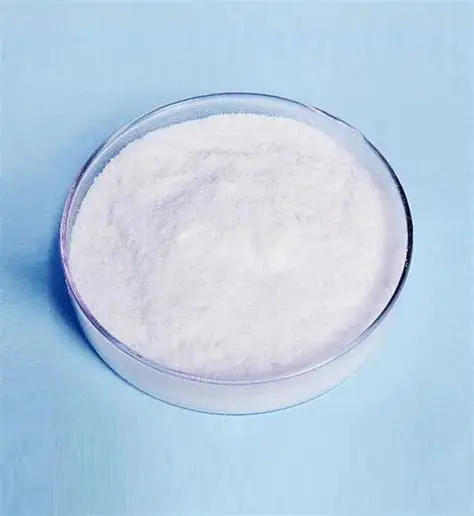
Buy 1-Boc-4-piperidone CAS 79099-07-3
1-Boc-4-piperidone
Content Navigation
1-Boc-4-piperidone resolves the challenge of hydrogenation-sensitive intermediates: its acid-labile Boc group allows selective deprotection without catalytic hydrogenolysis. – Eliminates extra N-protection step vs. 4-piperidone HCl, reducing cost and impurity risks. – High-yielding reductive amination with STAB for 4-aminopiperidine APIs. – Reliable building block for spirocyclic scaffolds. In stock, ships globally.
CAS Number
Product Name
IUPAC Name
Molecular Formula
Molecular Weight
InChI
InChI Key
SMILES
Synonyms
Canonical SMILES
Purity
Package Size
1-Boc-4-piperidone (CAS: 79099-07-3) is a key heterocyclic intermediate widely used in the synthesis of complex molecules, particularly in pharmaceutical and medicinal chemistry. Its structure combines a reactive ketone on a piperidine ring with a tert-butoxycarbonyl (Boc) protecting group on the nitrogen atom. This Boc group is critical for its utility, as it deactivates the otherwise reactive secondary amine, preventing side reactions and allowing for precise, regioselective modifications at the ketone position. The specific properties imparted by the Boc group, such as enhanced solubility in organic solvents and predictable, mild deprotection under acidic conditions, make it a strategic choice for multi-step synthetic routes.
Research & Procurement Fit
Substituting 1-Boc-4-piperidone with seemingly similar analogs like N-Cbz-4-piperidone, N-Benzyl-4-piperidone, or the unprotected 4-piperidone hydrochloride is often unviable due to fundamental differences in chemical compatibility and process efficiency. The Boc group’s key advantage is its acid-lability, allowing for removal under mild conditions (e.g., TFA) that preserve other sensitive functionalities. In contrast, N-Cbz and N-Benzyl groups require catalytic hydrogenolysis, a method incompatible with molecules containing reducible groups like alkenes, alkynes, or nitro functions. Starting with unprotected 4-piperidone hydrochloride introduces an additional protection step, increasing process complexity, reagent costs, and the risk of introducing impurities, which can lower the overall yield and complicate purification downstream. Therefore, the choice of protecting group is a critical process decision, not a simple substitution.
Substitution Risk: 1-Boc-4-piperidone vs. 4-Piperidone HCl
Orthogonal Deprotection Compatibility
The Boc protecting group is stable to the catalytic hydrogenolysis conditions required to cleave N-Cbz or N-Benzyl groups, and conversely, the Cbz group is stable to the acidic conditions (e.g., TFA, HCl) used for Boc removal. This orthogonality is not a trivial difference; it is a fundamental feature that dictates synthetic strategy. For target molecules containing reducible functional groups such as alkenes, alkynes, nitro groups, or certain aromatic heterocycles, using an N-Cbz or N-Benzyl protected piperidone is non-viable as the deprotection step (H2/Pd-C) would destroy the target. Procuring the Boc-protected version is the enabling choice in these common scenarios.
| Evidence Dimension | Deprotection Method Compatibility |
| Target Compound Data | Cleaved by acid (e.g., TFA, HCl in dioxane) |
| Comparator Or Baseline | N-Cbz-4-piperidone / N-Benzyl-4-piperidone: Cleaved by catalytic hydrogenolysis (e.g., H2, Pd/C) |
| Quantified Difference | Qualitatively different; orthogonal reaction conditions |
| Conditions | Standard deprotection protocols in organic synthesis |
This allows for the synthesis of complex molecules with hydrogenation-sensitive groups, a route that is blocked if using Cbz or Benzyl-protected alternatives.
Reductive Amination Efficiency
In the synthesis of advanced pharmaceutical intermediates, 1-Boc-4-piperidone demonstrates high efficiency in reductive amination reactions. For example, the reaction with aniline using sodium triacetoxyborohydride (STAB) as the reducing agent proceeds cleanly to form tert-butyl 4-(phenylamino)piperidine-1-carboxylate. This specific transformation is a key step in various documented synthetic routes. Comparative studies have shown STAB to be superior to other reagents like sodium cyanoborohydride (NaBH3CN) for similar piperidones, with one reaction being >96% complete in 2.5 hours with STAB versus only 45% complete after 22 hours with NaBH3CN. The well-behaved nature of the Boc-protected ketone in this reaction makes it a reliable and efficient precursor for process scale-up.
| Evidence Dimension | Reaction Completion Rate (Reductive Amination) |
| Target Compound Data | >96% completion in 2.5 h (for a similar N-protected 4-piperidone using STAB) |
| Comparator Or Baseline | 45% completion in 22 h (for the same piperidone using NaBH3CN) |
| Quantified Difference | >2x faster reaction rate and higher conversion |
| Conditions | Reductive amination of 1-carbethoxy-4-piperidinone with p-chloroaniline |
Faster reaction times and higher conversion rates directly translate to increased process throughput and lower manufacturing costs in a production environment.
Spirocyclic Scaffold Synthesis
1-Boc-4-piperidone is a preferred starting material for constructing spiro-piperidine derivatives, which are highly valued in drug discovery for their rigid, three-dimensional structures. Its utility is demonstrated in efficient, high-yield syntheses of complex spirocycles. For example, it is used in a multicomponent reaction sequence to build spiro[piperidine-4,4′-cyclopentenone] systems and in two-step syntheses of spiro-oxindoles via Knoevenagel condensation followed by 1,3-dipolar cycloaddition. The Boc group ensures the piperidine nitrogen remains unreactive during these intricate transformations, preventing side-product formation and simplifying purification, making it a more process-friendly choice than unprotected or alternatively-protected piperidones.
| Evidence Dimension | Precursor Suitability for Spirocycle Synthesis |
| Target Compound Data | Serves as a key, stable precursor in multicomponent and tandem reactions to form diverse spirocyclic systems (e.g., spiro-oxindoles, spiro-hydantoins). |
| Comparator Or Baseline | Unprotected 4-piperidone would require an additional protection step or lead to side reactions involving the nitrogen. |
| Quantified Difference | Not directly quantified, but enables complex synthetic routes that would be inefficient or fail with unprotected analogs. |
| Conditions | Multicomponent KA²/Pauson-Khand reaction; Knoevenagel condensation/1,3-dipolar cycloaddition. |
For researchers in drug discovery, using this compound simplifies access to valuable, patentable spirocyclic scaffolds with improved physicochemical properties.
Reducible Group Compatibility
This compound is the indicated choice for synthesizing molecules containing functionalities sensitive to catalytic hydrogenation, such as alkenes, alkynes, nitro groups, or benzyl ethers. The Boc group can be removed under mild acidic conditions without affecting these groups, a critical advantage over N-Cbz or N-Benzyl analogs which require harsh reductive cleavage.
Spiro-Piperidine Cores for CNS Drugs
As a stable and reliable precursor, 1-Boc-4-piperidone is ideally suited for multi-step syntheses of complex spirocyclic piperidines. These scaffolds are increasingly important in medicinal chemistry for creating drug candidates with enhanced three-dimensionality and improved receptor specificity.
Streamlined Process for Piperidine Intermediates
In process chemistry and scale-up operations, starting with 1-Boc-4-piperidone avoids the need for an initial N-protection step that would be required if using 4-piperidone hydrochloride. This simplification reduces the number of process steps, minimizes solvent and reagent usage, and can lead to higher overall yields and purity, directly impacting production efficiency and cost.
High-Yield Reductive Amination
This building block is highly effective in reductive amination protocols, particularly with reagents like sodium triacetoxyborohydride (STAB). This allows for the reliable and high-yield production of 4-amino-piperidine derivatives, which are crucial intermediates in the synthesis of numerous active pharmaceutical ingredients.
Application Fit Matrix
1-Boc-4-piperidone
1-Boc-4-piperidone addresses the challenge of synthesizing chiral piperidine derivatives with high stereochemical control. Its Boc protection enables selective ketone functionalization while preventing unwanted amine side reactions.
• Biocatalytic reduction with alcohol dehydrogenases (FpADH, FsADH) achieves >99.5% ee at high substrate concentrations for scalable chiral alcohol production.
• Pd-catalyzed enantioselective borylative migration yields up to 92% ee with low catalyst loading, amenable to multigram scale-up.
• High solubility in DMSO, ethanol, and DCM facilitates organic-phase reactions and straightforward extractive work-up.
Buy 1-Boc-4-piperidone CAS 79099-07-3
Buy 1-Boc-4-piperidone CAS 79099-07-3
Buy 1-Boc-4-piperidone CAS 79099-07-3
Buy 1-Boc-4-piperidone CAS 79099-07-3
Buy 1-Boc-4-piperidone CAS 79099-07-3
Buy 1-Boc-4-piperidone CAS 79099-07-3
Buy 1-Boc-4-piperidone CAS 79099-07-3
Buy 1-Boc-4-piperidone CAS 79099-07-3
Buy 1-Boc-4-piperidone CAS 79099-07-3
Buy 1-Boc-4-piperidone CAS 79099-07-3
Buy 1-Boc-4-piperidone CAS 79099-07-3
Buy 1-Boc-4-piperidone CAS 79099-07-3
Buy 1-Boc-4-piperidone CAS 79099-07-3
Buy 1-Boc-4-piperidone CAS 79099-07-3
Buy 1-Boc-4-piperidone CAS 79099-07-3
Buy 1-Boc-4-piperidone CAS 79099-07-3
Basic Identity
| Product Name | 1-Boc-4-piperidone |
|---|---|
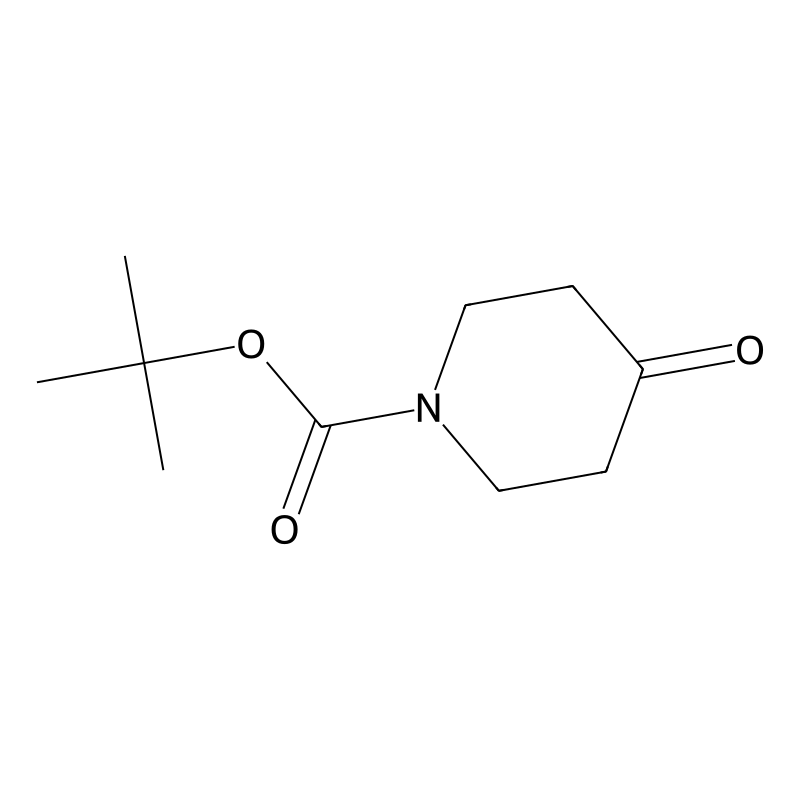
| IUPAC Name | tert-butyl 4-oxopiperidine-1-carboxylate |
| CAS | 79099-07-3 |
| Synonyms | 4-Oxo-1-piperidinecarboxylic Acid 1,1-Dimethylethyl Ester, 1,1-Dimethylethyl 4-Oxo-1-piperidinecarboxylate, 1-(tert-Butoxycarbonyl)-4-oxopiperidine |
| Molecular Formula | C10H17NO3 |
| Molecular Weight | 199.25 g/mol |
Structural Identifiers
| SMILES | CC(C)(C)OC(=O)N1CCC(=O)CC1 |
|---|---|
| InChI | InChI=1S/C10H17NO3/c1-10(2,3)14-9(13)11-6-4-8(12)5-7-11/h4-7H2,1-3H3 |
| InChIKey | ROUYFJUVMYHXFJ-UHFFFAOYSA-N |
Commercial & Availability
| Standard Pack Sizes | 5 g / 25 g / 100 g / Bulk Custom |
|---|---|
| Availability | In Stock |
| Custom Synthesis | Available on request |
Structure & Identifiers
1-Boc-4-piperidone Procurement Guide for Scientific Buyers
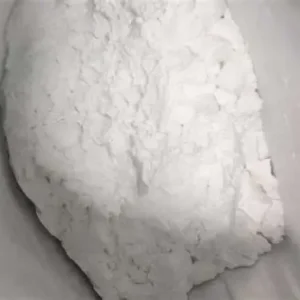
1-Boc-4-piperidone (CAS 79099-07-3), also known as N-Boc-4-piperidone, is a widely used pharmaceutical intermediate and building block in organic synthesis . This compound belongs to the class of N-protected piperidones, featuring a tert-butoxycarbonyl (Boc) group that protects the secondary amine, enabling selective reactions at the ketone moiety. It is commercially available as a white to off-white crystalline powder with a typical purity of ≥98-99% and a melting point range of 73-77 °C . 1-Boc-4-piperidone serves as a precursor for the synthesis of diverse drug candidates, including those targeting neurological disorders, cancer, and infectious diseases [1].
Why In-Class Analogs Cannot Be Simply Substituted
Substituting 1-Boc-4-piperidone with a generic 4-piperidone or a different N-protected analog is not straightforward due to fundamental differences in solubility, stability, and reactivity. The Boc group significantly alters the compound’s solubility profile: 1-Boc-4-piperidone is highly soluble in organic solvents such as DMSO, ethanol, and DCM but only sparingly soluble in water , whereas unprotected 4-piperidone hydrochloride is highly water-soluble [1]. This difference critically impacts reaction conditions, work-up procedures, and purification strategies. Furthermore, the Boc group provides orthogonal protection that can be selectively removed under mild acidic conditions without affecting other sensitive functional groups [2]. This level of synthetic control is absent in unprotected piperidones, which can undergo unwanted side reactions at the free amine. Therefore, procurement decisions must be based on the specific synthetic requirements that only a Boc-protected piperidone can fulfill, not on superficial structural similarity.
Comparative Evidence for Product Selection
Solubility Difference vs. 4-Piperidone Hydrochloride
1-Boc-4-piperidone exhibits markedly different solubility compared to its closest analog, 4-piperidone hydrochloride. While 1-Boc-4-piperidone is soluble in DMSO (≥10 mg/mL) and ethanol (≥10 mg/mL) but only sparingly soluble in PBS (pH 7.2, 1-10 mg/mL) , 4-piperidone hydrochloride is characterized by high water solubility [1]. This differential solubility profile is a direct consequence of the Boc protection and is critical for selecting appropriate reaction media, extraction solvents, and purification methods (e.g., chromatography).
Enantioselectivity in Biocatalytic Reduction
In a study utilizing alcohol dehydrogenases (ADHs) for the asymmetric reduction of ketones, 1-Boc-4-piperidone (designated NBPO) served as a model substrate. Both enzymes evaluated, FpADH and FsADH, exhibited high catalytic activity toward 1-Boc-4-piperidone and delivered the corresponding chiral alcohols with excellent enantioselectivity (>99.5% ee) [1]. This level of stereocontrol is a defining feature of the Boc-protected scaffold, enabling access to enantiomerically pure piperidine derivatives that are valuable in pharmaceutical synthesis.
Enantioselectivity in Borylative Migration
A Pd-catalyzed enantioselective borylative migration was optimized using an alkenyl nonaflate derivative of 1-Boc-4-piperidone as the substrate. The study reported achieving up to 92% enantiomeric excess (ee) under optimized conditions with a catalyst loading of only 3 mol% in diethyl ether or cyclopentyl methyl ether [1]. This high level of enantioselectivity is directly attributed to the Boc-protected piperidone scaffold, which facilitates the desired migratory insertion and stereoselective cross-coupling steps.
Evidence-Based Application Scenarios
Asymmetric Synthesis of Chiral Piperidine Alcohols
For research groups or industrial process developers focused on the asymmetric synthesis of chiral piperidine derivatives, 1-Boc-4-piperidone is the preferred substrate for biocatalytic reductions. Evidence from Yang et al. (2021) demonstrates that alcohol dehydrogenases FpADH and FsADH can reduce 1-Boc-4-piperidone with >99.5% ee at high substrate concentrations, providing a scalable and highly stereoselective route to valuable chiral alcohols [1].
Scalable Enantioselective Synthesis of Piperidines
Procurement of 1-Boc-4-piperidone is justified for laboratories or production facilities engaged in the multigram-scale synthesis of optically enriched piperidines. Kim and Hall (2016) have demonstrated that an alkenyl nonaflate derivative of 1-Boc-4-piperidone can be used in a Pd-catalyzed enantioselective borylative migration, achieving up to 92% ee with a low catalyst loading, and that this process is amenable to multigram scale-up [2].
Organic-Solvent Based Sequences Requiring Amine Protection
When a synthetic route requires protection of a secondary amine during ketone functionalization in organic solvents, 1-Boc-4-piperidone is the optimal choice. Its solubility profile—specifically, high solubility in DMSO and ethanol but limited water solubility—makes it ideal for reactions conducted in organic media and facilitates straightforward extractive work-up . This property contrasts sharply with the high water solubility of unprotected 4-piperidone hydrochloride, which would complicate such sequences [3]
References
- [4] Walz, A. J., & Bae, S. Y. (2023). Fentanyl Synthesis Using N-BOC-4-Piperidinone. DEVCOM-CBC-TR-1871. U.S. Army Combat Capabilities Development Command Chemical Biological Center.
- [5] Abdel-Magid, A. F., et al. Reductive Amination of Aldehydes and Ketones with Sodium Triacetoxyborohydride. Studies on Direct and Indirect Reductive Amination Procedures. The Journal of Organic Chemistry, 61(11), 3849–3862 (1996).
GHS Hazard Statements
Reported as not meeting GHS hazard criteria by 3 of 9 companies. For more detailed information, please visit ECHA C&L website;
Of the 6 notification(s) provided by 6 of 9 companies with hazard statement code(s):;
H302 (33.33%): Harmful if swallowed [Warning Acute toxicity, oral];
H315 (83.33%): Causes skin irritation [Warning Skin corrosion/irritation];
H319 (100%): Causes serious eye irritation [Warning Serious eye damage/eye irritation];
H335 (50%): May cause respiratory irritation [Warning Specific target organ toxicity, single exposure;
Respiratory tract irritation];
Information may vary between notifications depending on impurities, additives, and other factors. The percentage value in parenthesis indicates the notified classification ratio from companies that provide hazard codes. Only hazard codes with percentage values above 10% are shown.
Pictograms

Irritant
Other CAS
1-Boc-4-piperidone 98 79099-07-3 – MilliporeSigma
1-Boc-4-piperidone is used as a precursor in the synthesis of synthetic drugs and as a building block for the preparation of selective …Read more
1-Boc-4-piperidone CAS 79099-07-3 | API Intermediate | BenchChem
Buy 1-Boc-4-piperidone (CAS 79099-07-3) from BenchChem. Boc-protected piperidone for enantioselective biocatalytic reduction & …Read more
- CAS: 79099-07-3
- Molecular Weight: 199.25 g/mol
- Molecular Formula: C10H17NO3
- Product Name: 1-Boc-4-piperidone
CAS No : 79099-07-3 | Product Name : 1-BOC-4-Piperidone
Order 1-BOC-4-Piperidone, CAS NO. 79099-07-3 (Cat. No. PA 03 3851036) which is Ideal for research applications, method …Read more
- CAS Number: 79099-07-3
- Chemical name: 1-BOC-4-Piperidone
- Catalogue number: PA 03 3851036
Buy Online CAS Number 79099-07-3 – TRC – 1-t-Boc-4-piperidone
Purchase online CAS Number 79099-07-3 – TRC – 1-t-Boc-4-piperidone. High Quality CRMs, Reference Materials, Proficiency …Read more
1-Boc-4-piperidone | CAS 79099-07-3 | Pharma Intermediate | SMolecule
Buy 1-Boc-4-piperidone (CAS 79099-07-3) from SMolecule. Acid-labile Boc group for selective synthesis without hydrogenolysis. In …Read more
N- (tert-Butoxycarbonyl)-4-piperidone | 79099-07-3 – ChemicalBook
May 28, 2026 · 1-Boc-4-piperidone is used as a pharmaceutical intermediate. It is involved in the preparation of 1-piperidin-4-yl …Read more
N-Boc-4-Piperidone | Shop Wholesale & Retail | Sarchem Labs
Purchase N-Boc-4-Piperidone at Sarchem Labs. N-Boc-4-Piperidone for pharmaceutical & industrial chemical applications with …Read more
1-Boc-4-piperidone | CRO Laboratories
Copyright 2024 CRO Laboratories Inc. All Rights Reserved.
N- (tert-Butoxycarbonyl)-4-piperidone price,buy N- (tert …
1-Boc-4-piperidone is used as a pharmaceutical intermediate. It is involved in the preparation of 1-piperidin-4-yl-substituted butyro- …Read more
1-Boc-4-piperidone (tert-butyl 4-oxopiperidine-1-carboxylate) CAS …
1-Boc-4-piperidone (tert-butyl 4-oxopiperidine-1-carboxylate) CAS 79099-07-3 Powder. Janoshik-tested, factory direct from JEEP …Read more
Reviews
There are no reviews yet.